
Elevate Your Space: Creative Ways to Display Your Plants at Home
Introduction
Plants have become an essential element of modern interior design, transforming living spaces into vibrant, healthy environments that promote well-being and aesthetic appeal. Whether you're a seasoned plant enthusiast or just beginning your journey into indoor gardening, the way you display your plants can significantly impact both the visual appeal of your home and the health of your botanical collection. At KevinDawson, we understand that displaying plants is not merely about placing them in a pot on a windowsill; it's about creating a curated experience that reflects your personal style while optimizing the growing conditions for your green companions.
The art of plant display has evolved considerably over the years, moving beyond traditional methods to embrace innovative solutions that cater to modern living spaces. From small apartments to sprawling homes, there are countless creative ways to showcase your plants that will elevate your interior design while providing the necessary care your plants need to thrive. This comprehensive guide explores various techniques, styles, and practical solutions for displaying plants in your home, ensuring that both your space and your plants reach their full potential.
Understanding the Importance of Plant Display
Before diving into the creative methods of displaying plants, it's crucial to understand why proper plant display matters. The way you position and showcase your plants affects multiple aspects of your home environment, from air quality to visual harmony and even your mental well-being.
The Aesthetic Impact of Plant Display
Plants serve as living artwork in your home. Unlike static decorations, plants evolve and grow, creating dynamic visual interest that changes with the seasons. A well-displayed plant can become a focal point in a room, drawing the eye and creating conversation starters for guests. The aesthetic impact of plants extends beyond individual specimens; when displayed thoughtfully, they can tie together color schemes, complement architectural features, and create a cohesive design narrative throughout your home.
The visual weight of plants varies depending on their size, shape, and foliage density. Large, dramatic plants like Monstera Deliciosa or Fiddle Leaf Figs can anchor a space and create bold statements, while smaller plants like Succulents or Pothos can fill gaps and add delicate touches to shelving and tabletops. Understanding how to balance these visual elements is key to creating a harmonious interior design.
Health and Growth Considerations
The way you display your plants directly impacts their health and growth. Plants require adequate light, proper humidity, good air circulation, and appropriate temperature conditions. When choosing display locations and methods, you must consider these biological needs alongside aesthetic preferences. A beautifully displayed plant that doesn't receive sufficient light will eventually decline, defeating the purpose of having it in your home.
Different plants have different requirements, and understanding these needs is essential for successful display. Some plants thrive in bright, indirect light near windows, while others prefer lower light conditions and can be displayed in interior spaces away from natural light sources. By strategically placing plants in locations that match their specific needs, you create an environment where they can flourish while enhancing your home's beauty.
Mental Health and Well-being Benefits
Numerous studies have demonstrated that plants positively impact mental health and well-being. The presence of greenery in living spaces reduces stress, improves air quality, and creates a sense of calm and connection to nature. When plants are displayed prominently and thoughtfully throughout your home, these benefits are amplified. A well-designed plant display creates a welcoming, nurturing environment that promotes relaxation and positive mental health.
Wall-Mounted Plant Displays
One of the most effective ways to elevate your space while maximizing limited floor space is through wall-mounted plant displays. This approach offers flexibility, visual impact, and the opportunity to create stunning vertical gardens that transform blank walls into living art.
Floating Shelves for Plant Display
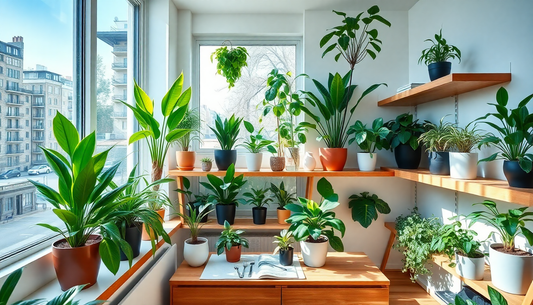
Floating shelves are an excellent solution for displaying plants while maintaining a clean, modern aesthetic. These shelves can be installed at various heights, creating visual interest and allowing you to display plants of different sizes and types. When arranging plants on floating shelves, consider the following principles:
Start with larger plants at the back or center of the shelf, creating a backdrop for smaller specimens. This arrangement prevents taller plants from blocking the view of smaller ones and creates visual depth. Mix plants with varying foliage textures and colors to create visual interest. Combine trailing plants like String of Pearls or Pothos with upright plants like Snake Plants or Dracaena to create dynamic compositions.
Incorporate decorative elements between plants to break up the greenery and add visual variety. Small books, decorative objects, or framed photographs can complement your plant display and create a more curated, intentional look. Ensure that shelves are securely installed and can support the weight of plants, soil, and water. Heavier plants should be placed on lower shelves for safety and stability.
Living Wall Systems
Living wall systems represent the pinnacle of vertical plant display, creating dramatic, immersive green installations that can transform an entire wall. These systems range from simple pocket planters to sophisticated modular systems with integrated irrigation.
Pocket planters are fabric or felt systems with individual pockets designed to hold small plants. They're relatively affordable, easy to install, and perfect for renters or those hesitant about permanent installations. These systems work well for displaying small plants like Succulents, Pothos, or Philodendrons. They create a striking visual impact and can be customized to display plants in specific patterns or color schemes.
Modular living wall systems offer more sophisticated solutions with built-in irrigation, drainage, and structural support. These systems are ideal for larger installations and can accommodate a wider variety of plants. While more expensive than pocket planters, they provide professional-grade results and are often easier to maintain long-term.
When creating a living wall, consider the structural integrity of your wall, the availability of natural light, and your ability to maintain the system. Living walls require regular watering, occasional pruning, and monitoring for pests and diseases. Ensure that your wall can support the weight of the system, soil, and plants, and consider installing a waterproof barrier to protect your walls from moisture damage.
Macramé Plant Hangers
Macramé plant hangers offer a bohemian, artistic approach to displaying plants while adding texture and visual interest to your space. These handcrafted hangers can suspend plants at various heights, creating a dynamic, layered display that draws the eye upward.
Macramé hangers work particularly well for trailing plants like String of Pearls, Burro's Tail, or Pothos, which cascade beautifully from suspended positions. The knots and patterns of macramé add an artistic element that complements the natural beauty of the plants. These hangers are available in various styles, from minimalist designs to elaborate, intricate patterns, allowing you to choose options that match your personal aesthetic.
When using macramé hangers, ensure that they're securely attached to ceiling hooks or wall-mounted brackets. Distribute the weight evenly and avoid overloading a single hanging point. Macramé hangers work well in living rooms, bedrooms, and entryways, creating focal points that draw attention and add character to your space.
Tabletop and Shelf Plant Arrangements
Tabletops and shelves provide excellent opportunities for creating curated plant displays that showcase your collection while maintaining accessibility for watering and care.
Creating Layered Plant Displays
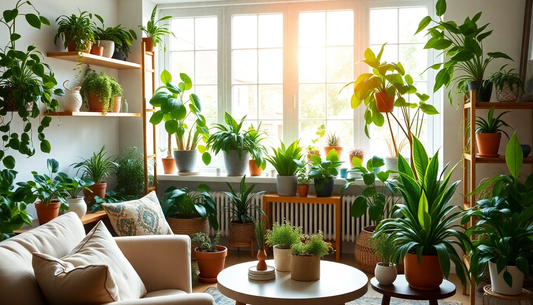
Layered displays create visual depth and interest by arranging plants at different heights and distances from the viewer. This technique works particularly well on shelves, tables, and console surfaces. To create an effective layered display, start with the tallest plants at the back, positioning them against the wall or backdrop. Layer progressively shorter plants in front, creating a tiered effect that allows each plant to be visible.
Incorporate plants with varying foliage shapes and textures. Combine upright plants like Snake Plants or Dracaena with trailing plants like Pothos or String of Pearls. Add bushy plants like Crotons or Calatheas to fill in gaps and create fullness. This variety creates visual interest and prevents the display from appearing monotonous.
Consider the color palette of your plants' foliage. While green is the dominant color, many plants offer variations in shade, from deep forest green to bright lime green. Some plants feature variegated foliage with white, yellow, or pink markings. By thoughtfully combining plants with complementary colors, you create a more sophisticated and intentional display.
Grouping Plants by Size and Type
Grouping plants by size and type creates a sense of organization and intentionality in your display. Small plants can be grouped together on shelves or tables, creating a cohesive collection that doesn't overwhelm the space. Medium-sized plants work well as standalone pieces or in small groups of two or three. Large plants serve as statement pieces and focal points in a room.
Grouping plants by type—such as creating a succulent collection, a tropical plant display, or a shade-loving plant arrangement—creates thematic displays that tell a story and reflect your interests. These themed collections can become conversation starters and demonstrate your knowledge and passion for plants.
Using Plant Stands and Pedestals
Plant stands and pedestals elevate plants both literally and figuratively, drawing attention to special specimens and creating visual interest at eye level. These stands come in various styles, from minimalist metal designs to ornate wooden pedestals, allowing you to choose options that complement your interior design.
Tall plant stands work well for displaying medium-sized plants at eye level, creating focal points in rooms. They're particularly effective for plants with interesting foliage or growth patterns that deserve to be showcased. Tiered plant stands allow you to display multiple plants at different heights, maximizing vertical space and creating dynamic arrangements.
When selecting plant stands, consider the weight capacity, stability, and aesthetic compatibility with your space. Ensure that stands are sturdy enough to support your plants safely, and position them away from high-traffic areas where they might be knocked over.
Window Displays and Natural Light Solutions
Windows provide natural light essential for most plants, making them ideal locations for plant displays. However, different windows offer different light conditions, and understanding these variations is crucial for successful plant placement.
Maximizing Natural Light with Window Displays
South-facing windows receive the most intense, direct sunlight throughout the day, making them ideal for sun-loving plants like Succulents, Cacti, and Geraniums. These windows can accommodate plants that require six or more hours of direct sunlight daily. However, intense afternoon sun can sometimes scorch sensitive plants, so you may need to provide some shade during the hottest months.
East-facing windows receive gentle morning sunlight, providing bright, indirect light for most of the day. These windows are ideal for a wide variety of plants, including Pothos, Philodendrons, and many tropical plants. The morning light is gentle and won't scorch delicate foliage, making east-facing windows one of the most versatile options for plant displays.
West-facing windows receive intense afternoon and evening sunlight, which can be harsh for sensitive plants. However, they're excellent for sun-loving plants that can tolerate strong light. If you have west-facing windows, consider using sheer curtains to filter intense afternoon sun and protect delicate plants.
North-facing windows receive the least direct sunlight, providing bright, indirect light suitable for shade-loving plants like Pothos, Philodendrons, and Calatheas. While these windows don't provide enough light for sun-loving plants, they're perfect for creating displays of shade-tolerant species.
Window Sill Arrangements
Window sills are classic locations for plant displays, offering natural light and easy access for watering and care. To create an attractive window sill arrangement, consider the following:
Arrange plants by height, with taller plants at the back and shorter ones in front, ensuring that all plants receive adequate light. Use window sill planters or trays to contain water and protect your window frames from moisture damage. Incorporate trailing plants that cascade over the edge of the sill, creating a dynamic, flowing arrangement.
Ensure that plants don't block windows completely, maintaining the ability to open and close curtains or blinds as needed. Consider the view from outside; an attractive window display can enhance your home's curb appeal and create a welcoming appearance.
Tiered Window Plant Stands
Tiered window plant stands maximize vertical space while keeping plants at the window where they receive optimal light. These stands typically feature multiple shelves or levels, allowing you to display numerous plants in a compact footprint. They're particularly useful in apartments or homes with limited window space.
When using tiered stands, arrange plants strategically to ensure that taller plants don't shade shorter ones. Place sun-loving plants on upper shelves where they receive more direct light, and shade-tolerant plants on lower shelves. This arrangement optimizes light distribution and allows you to display a diverse collection of plants in a single window.
Hanging and Suspended Plant Displays
Suspended plant displays add dimension to your space and create visual interest by utilizing vertical space that might otherwise go unused. These displays work particularly well for trailing and cascading plants.
Ceiling-Mounted Plant Hangers
Ceiling-mounted hangers suspend plants from the ceiling, creating dramatic displays that draw the eye upward and add architectural interest to rooms. These hangers work well in entryways, living rooms, and bedrooms, creating focal points that enhance your interior design.
When installing ceiling-mounted hangers, ensure that they're securely attached to ceiling joists or studs that can support the weight of plants, soil, and water. Use appropriate hardware and follow installation instructions carefully to prevent accidents. Space hangers strategically to create visual balance and avoid overcrowding.
Trailing plants like String of Pearls, Burro's Tail, and Pothos work beautifully in hanging displays, cascading gracefully from their suspended positions. These plants create a waterfall effect that adds movement and visual interest to your space.
Corner Plant Displays
Corners are often underutilized spaces that can be transformed into stunning plant displays. Tall corner plant stands or tiered corner shelves can fill these spaces with greenery, creating a lush, inviting atmosphere.
Corner displays work particularly well in living rooms, bedrooms, and home offices, where they can soften hard architectural lines and create a sense of enclosure and coziness. By filling corners with plants, you create a more balanced, harmonious room layout.
Staggered Hanging Displays
Staggered hanging displays feature multiple plants suspended at different heights, creating a dynamic, layered effect. This arrangement works well for creating focal walls or filling large empty spaces with greenery.
To create a staggered hanging display, use ceiling hooks or wall-mounted brackets to suspend plants at varying heights. Arrange plants so that they don't overlap or block each other's light. This technique creates visual interest and draws the eye through the space in a dynamic way.
Bathroom and Moisture-Loving Plant Displays
Bathrooms offer unique opportunities for plant displays, as the humid environment created by showers and baths is ideal for moisture-loving plants. This natural humidity can support plants that might struggle in drier areas of your home.
Utilizing Bathroom Humidity
Bathrooms naturally maintain higher humidity levels than other rooms, making them perfect for plants like Ferns, Calatheas, Monstera, and Pothos. These plants thrive in moist environments and can create lush, tropical displays in bathroom spaces.
When displaying plants in bathrooms, ensure that they receive adequate light. Bathrooms with windows or skylights can accommodate a wider variety of plants, while bathrooms with only artificial light may require low-light tolerant species or supplemental grow lights.
Shower Niche and Corner Displays
Shower niches and bathroom corners can be transformed into mini plant displays, creating a spa-like atmosphere. Moisture-loving plants placed in these areas benefit from the humidity generated by showers while adding visual interest and a natural element to your bathroom.
Ensure that plants in shower areas don't block water flow or create safety hazards. Use waterproof shelving and ensure proper drainage to prevent water damage to your bathroom structure.
Bathroom Vanity and Counter Displays
Bathroom vanities and counters provide excellent opportunities for displaying smaller plants and creating a spa-like aesthetic. Small plants like Pothos, Philodendrons, or Succulents can add greenery to these spaces without overwhelming the area.
Ensure that plants on vanities don't interfere with daily routines and are positioned safely away from water sources and electrical outlets.
Kitchen Plant Displays
Kitchens are increasingly becoming spaces for plant displays, combining functionality with aesthetics. Herb gardens and other plants can enhance your kitchen while providing practical benefits.
Herb Garden Displays
Growing herbs in your kitchen provides fresh ingredients for cooking while adding greenery to your space. Herb gardens can be displayed on windowsills, shelves, or in dedicated herb planters. Popular kitchen herbs include Basil, Parsley, Cilantro, Mint, and Rosemary.
Position herb gardens in locations that receive adequate light, ideally near windows where they can access natural sunlight. Ensure that herbs are easily accessible for harvesting and that they're positioned away from cooking areas where heat and smoke might damage them.
Vertical Kitchen Gardens
Vertical gardens in kitchens maximize space while creating attractive displays. Wall-mounted planters, tiered shelves, or pocket systems can transform blank kitchen walls into productive gardens.
These displays work particularly well in kitchens with limited counter or floor space. By utilizing vertical space, you can grow a variety of herbs and small plants without sacrificing valuable kitchen real estate.
Hanging Planters Above Counters
Hanging planters suspended above kitchen counters add greenery while maintaining accessibility to work surfaces. These displays work well for trailing herbs like Basil or Oregano, which cascade beautifully from suspended positions.
Ensure that hanging planters are securely installed and don't